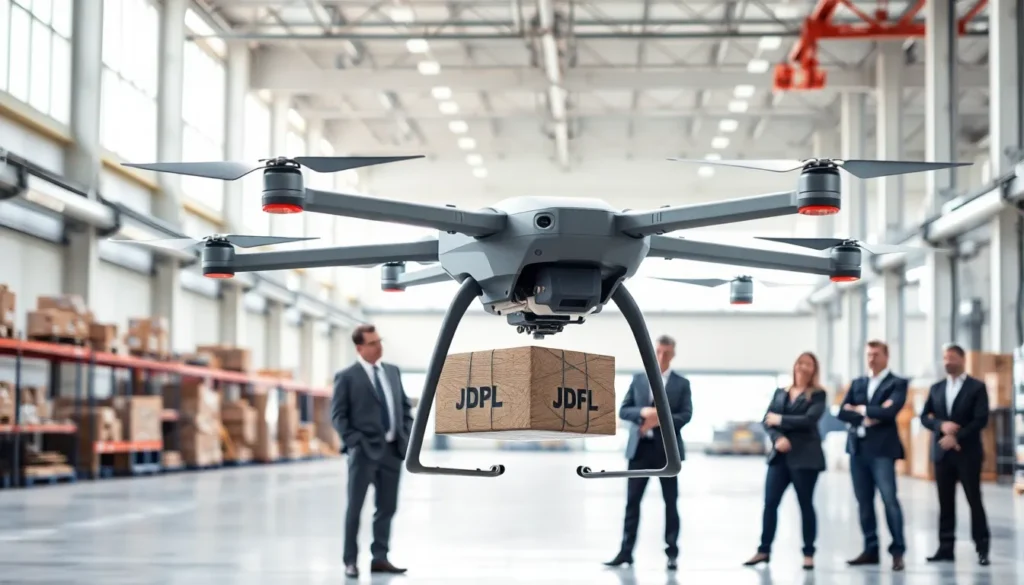
Have you ever tried to lift something heavier than your ego? Just like we sometimes need a helping hand, the freight transport industry has found its superhero in heavy lift drones. These flying marvels are transforming how goods are moved, making logistics faster, cheaper, and even a bit greener. If you thought drones were just for weekend hobbyists or capturing aerial selfies, prepare to have your mind blown. Today, we’re diving into the world of heavy lift drones, exploring their features, applications, benefits, and the challenges they face. So buckle up and get ready for takeoff.
What Are Heavy Lift Drones?
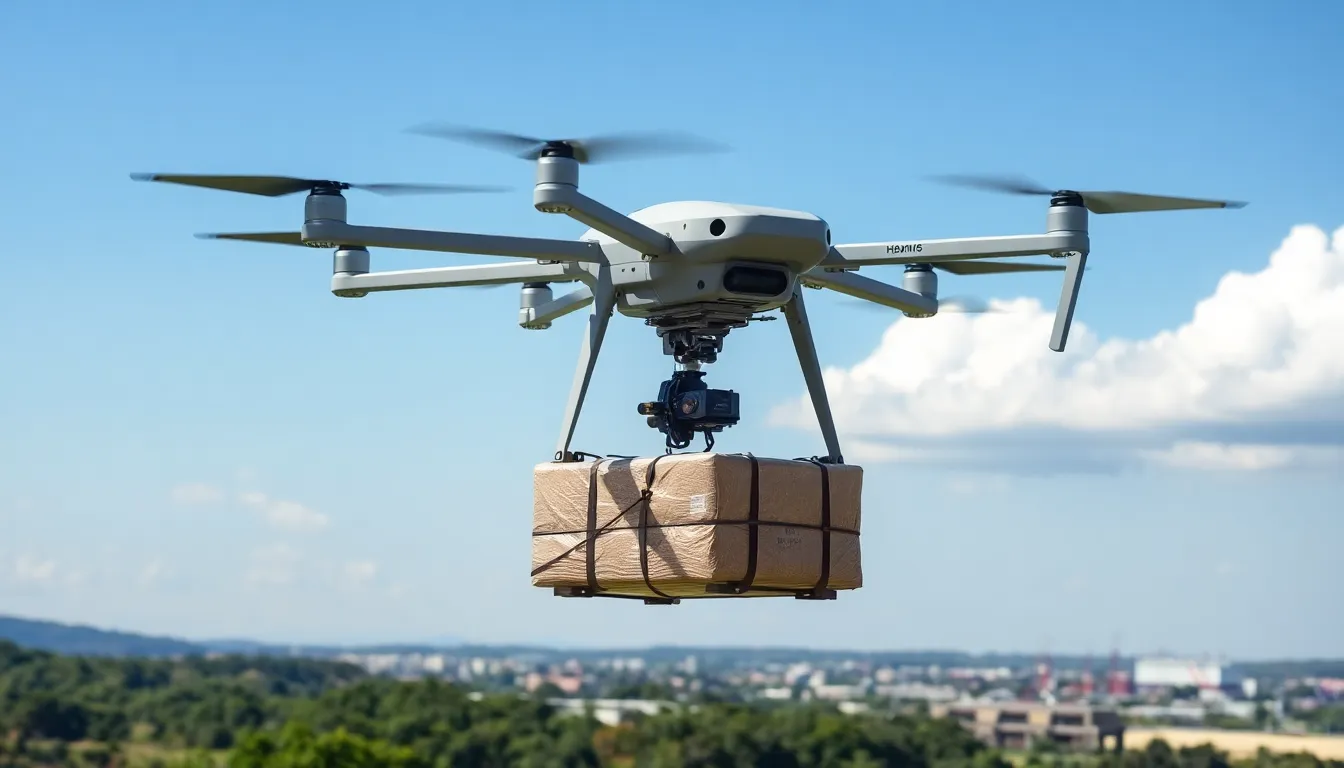
Heavy lift drones, as their name suggests, are designed to handle significant payloads while flying. Unlike their lighter counterparts, these drones can carry much heavier items, making them valuable assets in a variety of industries.
Key Features and Specifications
Heavy lift drones typically boast robust frameworks, powerful motors, and advanced flight control systems. Many come equipped with multiple rotors to ensure stability and lift capacity. Some models can carry payloads exceeding 400 pounds, with operational ranges that vary depending on the design and battery life. Besides, features like GPS navigation, real-time monitoring, and obstacle avoidance systems enhance their functionality.
How Heavy Lift Drones Work
At the heart of heavy lift drones is cutting-edge technology. They operate using a combination of propulsion systems and intelligent software. The drone lifts off by creating upward thrust via its rotors, which is counteracted by the weight of the cargo. Advanced algorithms calculate the optimal flight path and adjust the drone’s position, ensuring a smooth delivery even in tricky weather conditions.
Applications of Heavy Lift Drones
Heavy lift drones are versatile tools that find applications across numerous sectors.
Industrial Use Cases
In industrial settings, heavy lift drones play a vital role by transporting equipment and materials to hard-to-reach areas, so avoiding delays caused by traditional transportation methods. This not only speeds up operations but also minimizes the risks associated with human labor in hazardous environments.
Medical Supply Delivery
During emergencies, time is of the essence. Heavy lift drones are increasingly being used to deliver medical supplies to remote locations. They can transport vaccines, blood, and other critical medical items quickly, significantly improving patient outcomes in crisis situations.
Construction and Logistics
The construction industry has also begun to reap benefits from heavy lift drones. They can deliver essential materials directly to job sites, enhancing productivity. Similarly, logistics companies leverage these drones to streamline their operations, delivering goods faster and more efficiently than ever before.
Benefits of Heavy Lift Drones
Heavy lift drones come with numerous advantages that are reshaping industries.
Increased Efficiency and Speed
One of the standout benefits is their ability to significantly increase efficiency. By bypassing traffic and reaching locations quickly, these drones can deliver goods in a fraction of the time it would take traditional methods.
Cost-Effectiveness
In terms of cost, heavy lift drones can dramatically reduce spending by minimizing labor costs and operating expenses associated with traditional transportation vehicles. Companies can allocate resources more effectively, driving profitability.
Environmental Impact
Also, these drones emit lower carbon footprints compared to trucks and other vehicles. As industries strive for greener solutions, heavy lift drones are emerging as a more sustainable option in freight transport.
Challenges and Limitations
Even though their numerous benefits, heavy lift drones face several hurdles.
Regulatory Hurdles
Navigating the regulatory framework is one of the biggest challenges. Governments are still figuring out rules concerning drone usage in commercial applications. Compliance with aviation regulations can be a lengthy and complex process, delaying widespread adoption.
Technological Constraints
Technological limitations also pose challenges. While advancements continue, battery life and payload capacity still need improvement. Drones often require significant development to enhance their operational stability, especially during adverse weather.
Future Trends in Heavy Lift Drones
The evolution of heavy lift drones is just getting started.
Innovations on the Horizon
Innovations in battery technology, autonomous flight, and advanced materials promise to boost payload capabilities and efficiency. Expect to see faster charging options and longer flight ranges, making drones even more appealing for various sectors.
Potential Market Growth
As their applications expand, the market for heavy lift drones is expected to soar. Industry analysts predict that demand will continue to grow, creating new opportunities for businesses willing to invest in this technology.