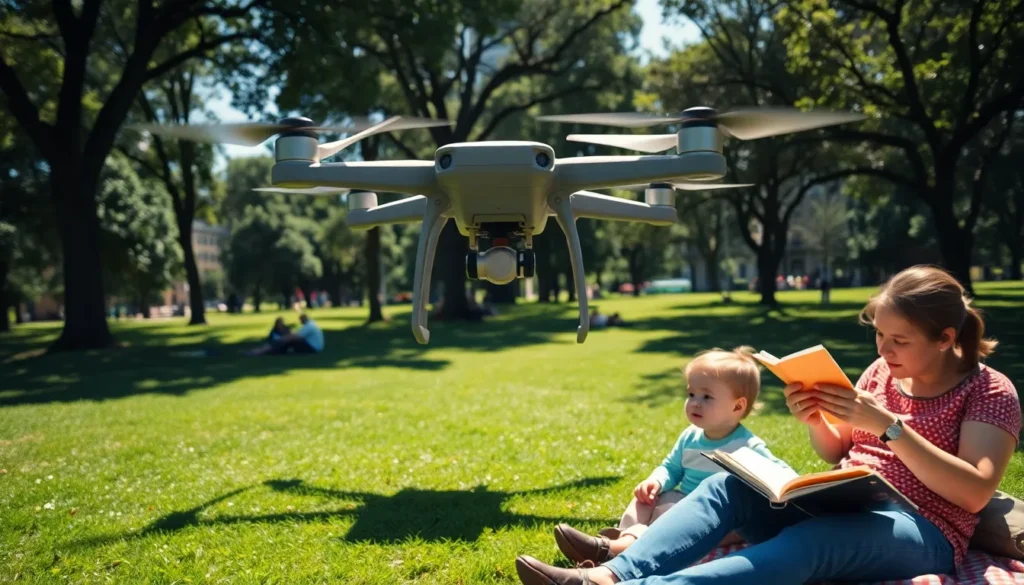
In a world where drones zip through the skies like caffeinated bees, one sound stands out: the unmistakable buzz of drone propeller noise. It’s the soundtrack of modern technology, but for many, it’s more like a pesky fly at a picnic. As drones become increasingly popular for everything from photography to deliveries, the question of how to manage this noise becomes more pressing.
Imagine trying to enjoy a peaceful afternoon when suddenly, a drone swoops in, drowning out the soothing sounds of nature with its whirring blades. Not exactly the serene escape one hopes for. Understanding drone propeller noise isn’t just about annoyance; it’s about balancing innovation with tranquility. So, let’s dive into the fascinating world of drone noise and discover why it’s more than just a nuisance—it’s a conversation starter.
Understanding Drone Propeller Noise
Drone propeller noise presents a considerable challenge as drone usage expands in various sectors. This noise affects not only the operators but also communities near flight paths.
What Is Drone Propeller Noise?
Drone propeller noise refers to the sound produced by the rotation of a drone’s propellers. Various factors influence this noise, including propeller design and motor speed. Noise often manifests as a buzzing or humming sound, which can be particularly distracting in quiet environments. Research shows that different types of drones emit varying noise levels, depending on size and configuration.
Factors Contributing to Propeller Noise
Several factors contribute to the overall noise drones generate. Propeller size plays a significant role, with larger propellers generally producing more noise. Blade shape and material also impact sound levels; for instance, curved blades tend to create less noise than flat ones. Additionally, motor technology influences noise output; brushless motors frequently result in quieter operation. Environmental conditions, such as wind and terrain, can further amplify or dampen the perception of noise. Understanding these factors aids in addressing the issue of drone noise pollution effectively.
Impact of Drone Propeller Noise
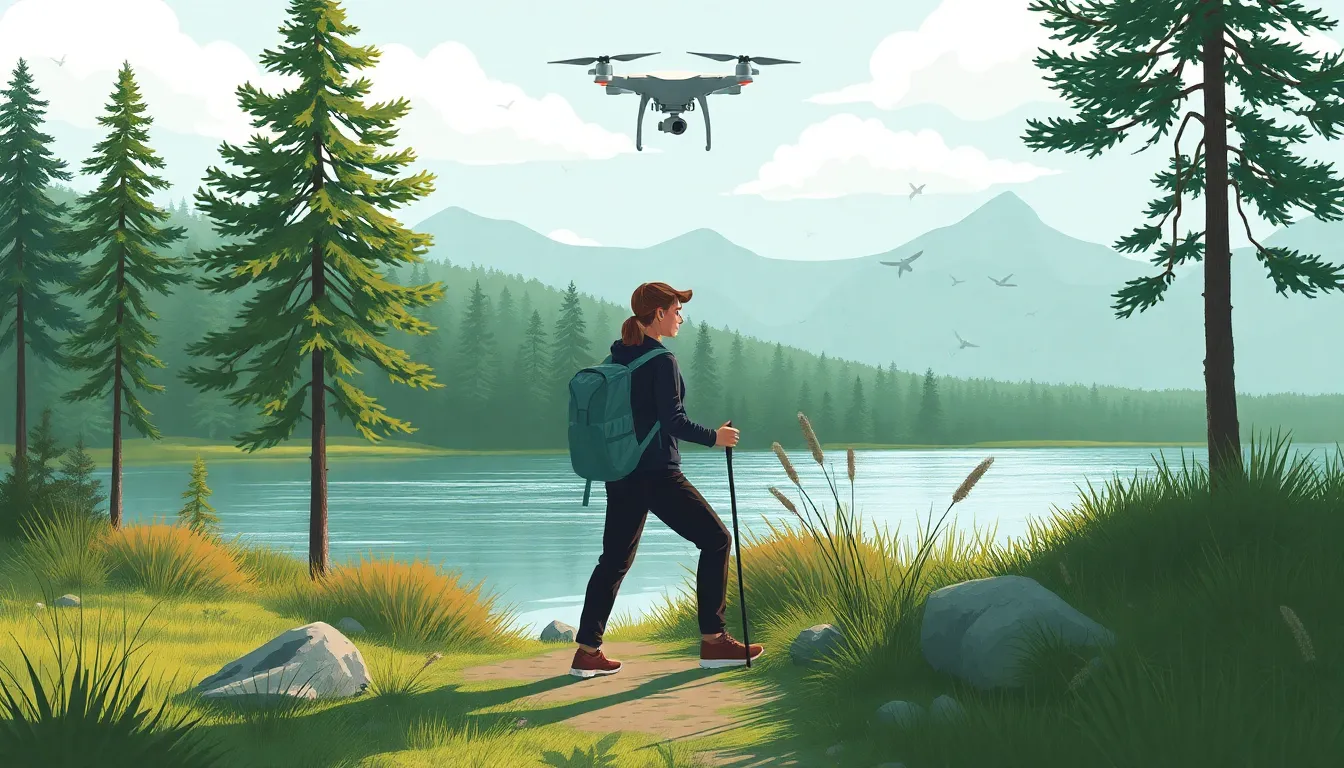
Drone propeller noise significantly affects both wildlife and human activities. Understanding its consequences helps mitigate issues associated with this growing technology.
Effects on Wildlife
Drone propeller noise disrupts natural behaviors in wildlife. Many animals rely on sound for communication, navigation, and foraging. Increased noise levels can lead to stress, altered feeding patterns, and even displacement from habitats. Birds, for instance, may abandon nests or avoid areas with high drone activity. Studies show that persistent drone noise can affect species such as deer and other sensitive fauna. Reduced interactions among animals can alter ecosystem dynamics over time.
Effects on Human Activities
Drone propeller noise interferes with daily human activities. Individuals engaged in outdoor leisure activities like hiking, fishing, or picnicking find drone noise distracting. This distraction can diminish the enjoyment of tranquil environments, leading to calls for regulation. Noise complaints from residential areas near flight paths are becoming more common. In urban settings, excessive drone noise may disturb workplaces, impacting concentration and productivity. A balance between technological advancements and respect for community peace is crucial.
Solutions to Mitigate Drone Propeller Noise
Addressing drone propeller noise requires a multifaceted approach combining design innovations and operational strategies.
Design Innovations
New propeller designs can reduce noise output effectively. Researchers focus on shapes that minimize turbulent airflow, resulting in quieter performance. Materials also play a significant role; lightweight composites decrease vibration, thus lowering noise. Some manufacturers explore variable pitch propellers, adjusting the angle for optimal efficiency and noise reduction. Utilizing low-noise rotors has shown promise, creating smoother sound profiles while maintaining performance. Designs that enhance blade numbers and optimize size contribute to quieter flights without sacrificing lift. Innovative designs can shift the landscape of drone technology and significantly reduce associated noise levels.
Operational Strategies
Operational strategies further mitigate noise pollution from drones. Timing flights during less disruptive hours helps minimize disturbances in residential areas. Implementing flight paths that avoid populated regions is essential for noise control, and altitude adjustments can significantly lower noise impact on the ground. Maintaining drones and regularly inspecting components ensure peak performance, directly affecting noise levels. Training operators on noise-sensitive areas promotes awareness and responsibility during flights. Lastly, encouraging private companies to prioritize noise regulations contributes to community acceptance and promotes innovations focused on reducing propeller noise. These practical strategies can create a more harmonious coexistence between drones and their surroundings.
Future Trends in Drone Noise Reduction
Emerging technologies in drone design focus on minimizing noise generated by propellers. Recent studies underscore the potential of innovative propeller shapes to disrupt airflow less effectively. Materials like composites and lighter alloys contribute to overall noise reduction during operation.
Variable pitch propellers provide another avenue for quieter flight. This technology allows adjustments in blade angle based on flight conditions, optimizing performance while decreasing sound output. Integrating these advancements can significantly impact community acceptance and regulatory compliance.
Countries and municipalities are beginning to introduce stringent noise regulations for drones. Implementing operational guidelines during peak activity hours can also help address noise complaints in residential areas. Operators are urged to familiarize themselves with noise-sensitive zones, enhancing their awareness of community concerns.
Collaboration between drone manufacturers and regulatory bodies is essential for driving noise reduction efforts forward. Efforts to establish standardized noise measurement metrics could enable comparisons across various drone models. This data-driven approach allows for informed decisions regarding which designs are quieter and more suitable for specific environments.
Environmental factors play a crucial role in how sound travels. Understanding influences like humidity, wind speed, and temperature can aid in formulating more effective noise mitigation strategies. As research progresses, adaptation to these findings will remain vital for implementing effective solutions in drone design and operation.
Advancements in battery technology provide yet another opportunity for reduced noise levels. Quieter motors promise to revolutionize drone performance by minimizing the acoustic impact. As the industry evolves, the commitment to noise reduction will continue to foster a balance between drone innovation and community peace.
Addressing drone propeller noise is crucial for the future of drone technology and its acceptance in communities. As drone usage continues to rise across various sectors the impact of noise pollution cannot be overlooked. By prioritizing innovative design and operational strategies operators can significantly reduce disturbances.
Emerging technologies promise quieter flight experiences while regulatory frameworks evolve to protect community interests. Collaboration between manufacturers and regulatory bodies will be key in establishing effective noise reduction measures. Striking a balance between technological advancements and the need for tranquility will ensure that drones can coexist harmoniously with their environments.