Table of Contents
ToggleIn the fast-paced world of real estate, standing out is key, and what better way to elevate a property listing than with a bird’s-eye view? Enter real estate drones—the superheroes of the property market. These high-flying gadgets aren’t just for capturing stunning aerial shots; they’re revolutionizing how agents showcase homes. Imagine potential buyers gliding over rooftops and sprawling backyards without ever leaving the couch.
Drones are not just a flashy gimmick; they offer a unique perspective that traditional photography simply can’t match. With a little help from technology, real estate agents can now highlight a property’s charm and surrounding area in ways that make clients say, “I’ll take it!” So buckle up as we dive into the world of real estate drones and explore how they’re changing the game, one aerial shot at a time.
Overview of Real Estate Drones
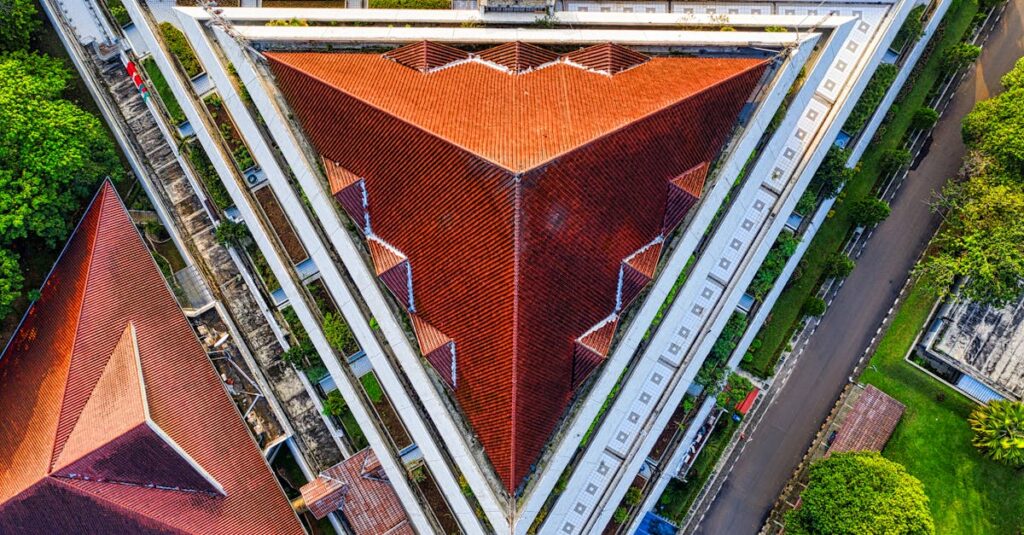
Real estate drones significantly enhance property presentations with unique aerial perspectives. These devices capture high-quality images and videos that showcase listings in a way traditional photography can’t match. Agents utilize drones not only for exterior shots but also for intricate details such as roof inspections and large property layouts.
In addition to visuals, drones enhance marketing efforts by providing engaging content for social media channels and websites. Properties receive increased visibility due to the eye-catching footage that features expansive views and surrounding landscapes. Drones also allow potential buyers to grasp the property’s context, including nearby amenities and environment, which adds valuable context to each listing.
Costs for real estate drones vary based on features and capabilities. Basic models start around $500, while professional-grade options can exceed $5,000 or more. Real estate agents often find investing in drones worthwhile, as they can generate a significant return on investment through faster sales and higher commissions.
Regulations are crucial in drone operation within real estate. Agents must comply with Federal Aviation Administration (FAA) guidelines, including obtaining necessary licenses and permission to fly. Drones employed in commercial use require certified pilots, ensuring safety and legal adherence during property shoots.
The trend of utilizing drones in real estate continues to grow. Buyers increasingly expect multimedia content that includes aerial footage. Real estate professionals can maximize their approach by integrating drones into their marketing strategies, setting them apart in a competitive market.
Benefits of Using Real Estate Drones
Real estate drones offer numerous advantages that greatly enhance property marketing and inspections. By utilizing these aerial devices, agents can transform their approach to showcasing listings.
Improved Property Marketing
Drones provide high-quality aerial footage and stunning visuals that captivate potential buyers. Unique perspectives create engaging marketing materials that stand out online. These drone images and videos work well on social media and websites, significantly increasing property visibility. Many agents report higher viewer engagement when using aerial shots alongside traditional photos. Highlighting expansive views and surrounding landscapes helps buyers visualize their future homes and communities.
Enhanced Property Inspections
Drones facilitate thorough property inspections for both agents and buyers. With aerial capabilities, they can easily access hard-to-reach areas, such as rooftops and large land layouts. Inspectors can identify potential issues without the need for ladders or scaffolding, saving time and reducing safety risks. Gathering detailed images and videos allows for comprehensive assessments of a property’s condition. Many agents view drones as essential tools for ensuring transparency during property transactions.
Key Features of Real Estate Drones
Real estate drones offer advanced features that enhance property marketing and inspections. Key aspects include camera capabilities and flight performance.
Camera Quality and Capabilities
High-resolution cameras enable stunning aerial photography, capturing details in vivid clarity. Many real estate drones feature 4K video capabilities, providing smooth footage essential for dynamic property tours. Users benefit from gimbal stabilization, which minimizes shakes during flight, ensuring professional-looking results. Some models support thermal imaging, allowing agents to identify issues such as heat leaks in roofing. The integration of various camera types enhances presentation options, catering to diverse promotional needs.
Flight Time and Range
Flight time varies significantly among drone models, with many real estate drones offering between 20 to 40 minutes per battery charge. Longer flight times permit comprehensive property inspections without frequent recharges. Range also plays a critical role, as many advanced drones operate effectively within a 3 to 5-mile radius from the controller. This increased range facilitates expansive aerial shots of large estates or sprawling landscapes. Agents often select drones based on specific flight needs, choosing models that align with their marketing strategies and property types.
Regulations and Compliance
Compliance with regulations is essential for real estate professionals utilizing drones. The Federal Aviation Administration (FAA) establishes guidelines that govern drone operations, ensuring safety and compliance in the airspace. Agents must acquire a Part 107 Remote Pilot Certificate to legally operate commercial drones. This certification involves passing a knowledge test that covers airspace regulations, weather effects, and drone operation principles.
Submission of a drone flight plan for specific projects may be necessary, particularly if flying in controlled airspace. Maintaining a clear understanding of local regulations is equally important, as municipalities may impose additional restrictions on drone usage. For instance, some localities prohibit flights over private property without permission.
Insurance coverage protects real estate agents against potential liabilities associated with drone operations. Agents often secure liability insurance specific to drone use, providing a further layer of protection during property assessments or aerial photography sessions. Protecting privacy remains a priority; agents must avoid capturing images of individuals without consent to comply with privacy laws.
Adhering to weight restrictions is crucial. Drones exceeding 55 pounds must register with the FAA, and operators must follow weight guidelines for safe flight operations. Understanding these regulations becomes a vital aspect of implementing drone technology in real estate.
Consequences of non-compliance can include fines and restrictions on future operations. Legal repercussions can tarnish a real estate professional’s credibility, negatively impacting business. Prioritizing compliance prevents unnecessary setbacks and enhances the advantages that drones offer in marketing properties. By maintaining adherence to all regulations, real estate agents position themselves to maximize the benefits of drone technology safely and effectively.
Future Trends in Real Estate Drones
Emerging trends indicate significant advancements in real estate drones, enhancing their utility and appeal. Integration with artificial intelligence (AI) allows drones to analyze property data in real time, offering insights that can lead to more informed decisions for agents and buyers. Many professionals anticipate an increase in virtual reality (VR) capabilities, enabling immersive tours that can complement aerial footage.
Adaptability remains a priority, as drone technology evolves to support various property inspections and surveys, making them invaluable tools in diverse real estate markets. Increased battery life represents another trend, with advancements pushing flight times beyond the typical 40 minutes per charge.
Innovative camera technologies are on the rise. Drones equipped with 8K cameras and improved stabilizers deliver even more professional-quality visuals that attract potential buyers. Enhanced thermal imaging also becomes more common, helping agents identify energy inefficiencies in properties.
Cloud-based platforms showcase another trend. Drones will increasingly connect to these platforms, streamlining data sharing and improving collaborative efforts among real estate professionals. When integrated with marketing software, captured footage can enhance property listing visibility across multiple online platforms.
Legal compliance continues to shape the landscape. Drones equipped with geo-fencing technology can avoid restricted areas, aligning with evolving regulations. Operators will focus even more on compliance, ensuring safety and legal adherence as drone usage expands.
Adoption of drones among real estate agents is projected to rise, as they seek competitive advantages in the marketplace. Opportunities abound for those who embrace these technological innovations, paving the way for a smarter, more efficient real estate industry.
Real estate drones are reshaping the landscape of property marketing and inspections. By providing breathtaking aerial views and detailed imagery, they enable agents to present homes in a way that captivates potential buyers. The investment in drone technology offers significant returns through faster sales and enhanced visibility.
As regulations evolve and technology advances, the integration of drones will only become more crucial in the real estate industry. With features like high-resolution cameras and AI capabilities on the horizon, agents who embrace this innovation will stay ahead of the competition. Ultimately, real estate drones are not just tools; they’re essential assets that drive success in a dynamic market.